From Idea to Execution: The Way Deck Builders Transform Your Ideas Into Reality
Deck builders play an essential role in enhancing outdoor living areas. They initiate the process by evaluating client goals and desires, guiding them through material selections and design options. This collaborative approach guarantees that the final product aligns with the homeowner's vision. As construction progresses, builders navigate regulations and maintain communication. However, many clients may be curious about the distinct phases of this process and how they shape the finished product.
Essential Questions to Define Your Ideal Deck
When envisioning the perfect deck, what core aspects should be examined? To start, individuals must assess their core intention for the deck. Is it intended for social gatherings, enjoying family time, or quietly unwinding alone? Knowing the planned purpose plays a major role in shaping design decisions.
Following this, the desired size and layout needs to be decided upon. This involves assessing the available area and how the deck design will blend with existing structures and landscaping.
Moreover, one must consider the deck's direction and sun exposure. This affects daily comfort levels and affects the selection of materials.
Finally accessibility is essential; easy access to the home and surrounding areas will enhance usability. By tackling these important considerations, property owners can create a defined vision that builds the foundation for their dream deck, guaranteeing it satisfies their personal lifestyle demands while complementing the overall outdoor setting.
Picking Decking Materials for Your Perfect Outdoor Living Space
Choosing the right materials for a deck can significantly influence both its aesthetic appeal and lasting quality. Property owners frequently evaluate several choices, including composite, wood, and PVC materials. Real wood, such as redwood or cedar, provides a traditional look and can be stained or painted to match any design. Nonetheless, it requires consistent care to protect against rot and splintering.
Composite decking materials, a blend of wood fibers and plastic, deliver a low-maintenance alternative that is resistant to fading and staining. Their broad selection of colors and textures renders them an appealing selection for a wide range of homeowners.
PVC decking, constructed completely from plastic materials, provides outstanding durability and moisture resistance, guaranteeing a long lifespan across different climates.
In the end, the picking of materials should align with the home owner's aspirations, budget constraints, and care preferences, facilitating a tailored outdoor area that showcases their personal style while remaining durable over time.
Creating Your Deck Design: Collaborating With Professionals
Turning a concept into a beautiful deck design frequently demands partnering with seasoned experts. Skilled deck builders and design experts work closely with clients to gain insight into their preferences, lifestyle, and design aspirations. This partnership kicks off with an introductory consultation, where concepts are discussed and core requirements are defined.
Professionals leverage their experience to suggest features, materials, and layouts that complement the homeowner's desired outcome while ensuring durability and functionality. They frequently present three-dimensional renderings, enabling clients to visualize the final product and make informed decisions.
Within the design journey, transparent dialogue is crucial. Clients are encouraged to express their thoughts and concerns, while experts provide direction and knowledge. This partnership not only elevates creative potential but also streamlines the design process, making certain that the finished deck embodies the homeowner's distinct preferences and desires. Ultimately, the joint effort fosters a seamless shift from initial idea to a stunning exterior living area.
Deck Building Permits: What You Need to Know?
As the design process advances, grasping the regulatory framework becomes critical for homeowners looking to construct a deck. Building permits for decks are frequently necessary to ensure adherence to local building codes and zoning regulations. These permits preserve the structural stability and security of the deck, accounting for elements including height, size, and positioning.
Property owners should begin by reaching out to their municipal building office to identify particular requirements. The process typically involves submitting comprehensive plans, which outline the deck's construction and materials. Furthermore, some localities may mandate inspections at various construction stages.
Overlooking the need for proper permitting can lead to penalties, forced removal, or setbacks in the building process. It is advisable for homeowners to collaborate with experienced deck builders who have knowledge of regional permitting requirements, enabling a more seamless transition from planning to completion and avoiding potential pitfalls tied to permit acquisition.
What to Expect During the Deck Construction Phase
Throughout the deck building process, homeowners can expect a structured approach that brings their designs to life. First, the construction area will be readied, ensuring it is even and free of any obstructions. The deck builders will then lay out the design according to the approved plans, marking key points for posts and beams.
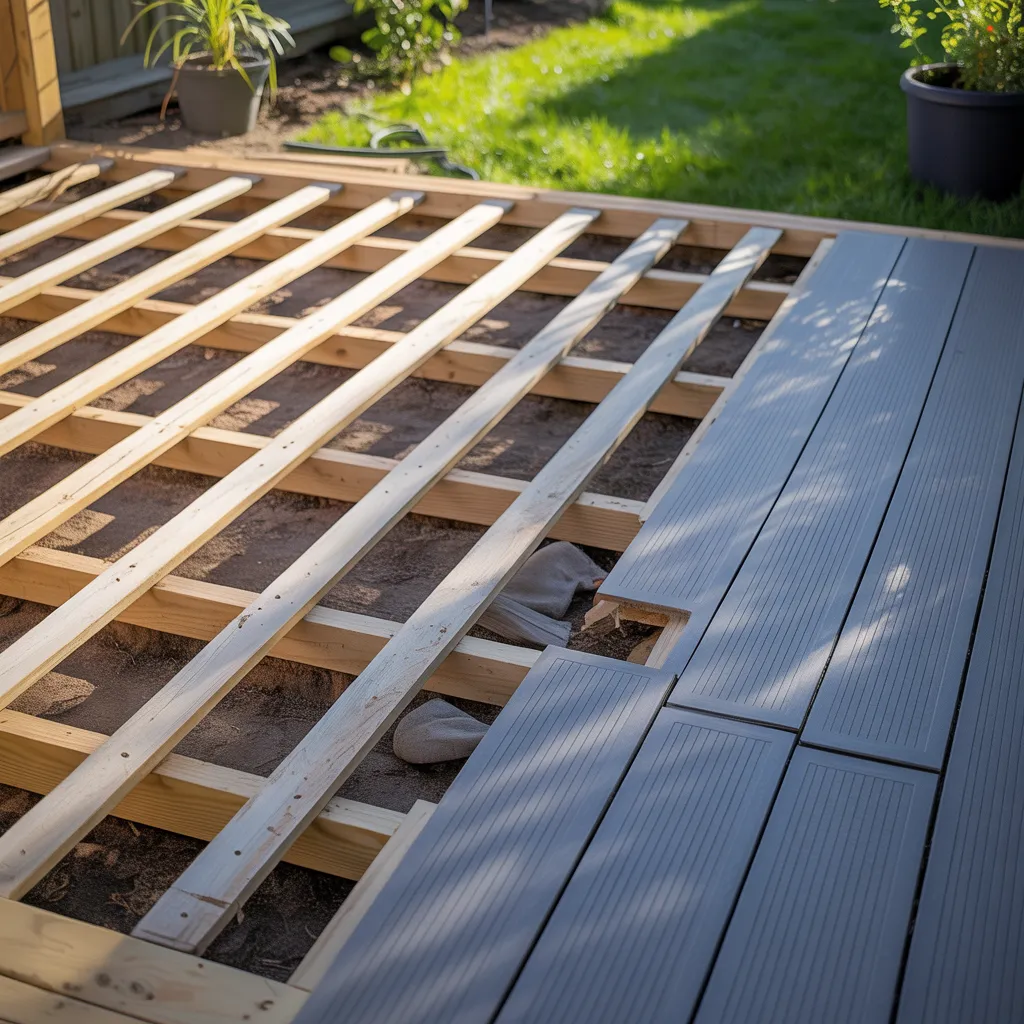
Following this, they will set up the base components, including footings and support posts, which ensure structural stability. After the framework is established, the construction team will incorporate the decking material and joists, assuring correct spacing and alignment. All throughout this phase, property owners can expect frequent updates and clear communication from the deck builders, resolving any questions or concerns.
Safety remains a top priority, so contractors will comply with all applicable local codes and standards. Once all work is done, once the construction phase is finished, a comprehensive inspection will verify the deck complies with all established specifications, laying the groundwork for the final enhancements that will enhance the overall aesthetic.
Following Construction: Important Deck Care Tips
Following the successful completion of deck construction, homeowners make maintaining its integrity and appearance a top priority. Consistent maintenance not only boosts the deck's visual appeal but also increases its longevity. Initially, homeowners should frequently clean the deck, eliminating debris and dirt to reduce the risk of mold growth. Using a gentle cleanser and a soft brush is recommended to avoid damaging the surface.
Deck sealing is essential, particularly for wood-based structures. A high-quality sealant protects against moisture, UV rays, and weathering. Deck owners are advised to reapply sealant every one to three years, according to the local environmental factors.
Inspecting for worn boards, loose nails, or structural problems should be done seasonally. Timely repairs can help avoid more significant damage. Moreover, strategic furniture positioning and the placement of protective mats can assist in limiting wear and tear. By implementing these care recommendations, homeowners can be confident their deck will continue to serve as a stunning and versatile outdoor retreat for years to come.

Frequently Asked Questions
How Long Does the Entire Deck Building Process Typically Take?
The entire deck building process usually spans between one to several weeks, depending on factors such as design intricacy, the availability of materials, and weather conditions. Each project varies, influencing the overall timeline notably.
Which Deck Design Trends Are Currently Popular?
Today, leading design styles for decks consist of multi-level structures, incorporated lighting features, green building materials, and open layouts that see here blend indoor and outdoor living zones. Natural finishes and bold colors are rising in demand among homeowners looking for modern aesthetics.
Can Features Such as Lighting or Seating Be Added Later?
Certainly, extra elements like lighting or seating can be added later. Skilled deck specialists often recommend preparing for upcoming additions during the original build to secure cohesive inclusion and copyright the structural stability while allowing for evolving style preferences.
How Do Weather Conditions Affect the Construction Timeline?
Weather conditions greatly impact construction timelines. Precipitation, freezing conditions, or severe temperatures may disrupt material shipments, reduce worker efficiency, and impair equipment performance, consequently lengthening the project's completion time and demanding strategic planning to minimize these foreseeable obstacles.
What Types of Warranties or Guarantees Do Deck Builders Usually Provide?
Deck construction companies commonly offer warranty coverage for materials and workmanship, spanning one to ten years. Many builders may additionally provide lifetime guarantees on specific products, providing assurance of durability and satisfaction for the entire life of the deck.